

finance


Discover the common reasons business loan applications are rejected and practical steps UK businesses can take to improve their chances of accessing commercial finance.
Written By:
Admin
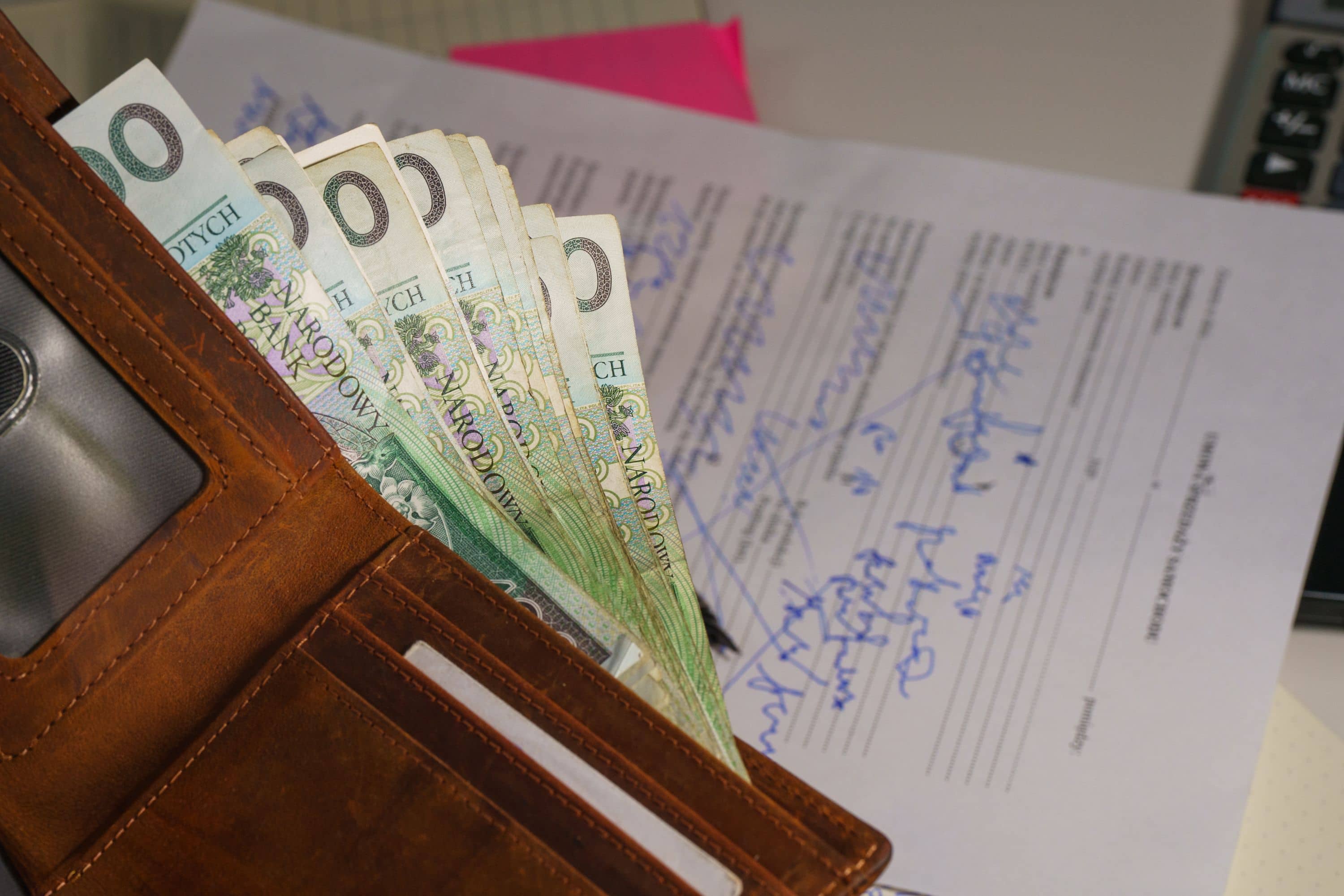
Applying for business finance can be an important step when you're looking to grow, manage cash flow or invest in your company.
However, not every application results in an offer.
A lender may decline an application for several reasons. These can include credit history, affordability, trading performance, cash flow, existing borrowing or simply not meeting that lender's criteria. The British Business Bank highlights factors such as credit ratings, insufficient security, weak business plans and poor cash-flow forecasts among potential reasons for rejection.
The good news is that a rejected business loan application does not necessarily mean your business cannot access finance elsewhere.
Different lenders assess businesses differently, and alternative finance providers may offer different products and eligibility criteria.
Here's what you should know before applying.
Credit history is one of the first areas lenders may consider.
Depending on the lender and product, both business and personal credit information can be relevant when assessing an application.
Missed payments, defaults, County Court Judgments, high existing borrowing or other negative information can affect how a lender views an application.
However, having a less-than-perfect credit history does not automatically mean every lender will decline you.
Different lenders have different risk criteria.
Before applying, check your credit information for errors or outdated information.
Make sure payments are made on time and avoid taking on unnecessary borrowing.
Most importantly, don't assume that one lender's decision represents the entire market.
Every lender has its own eligibility requirements.
One lender might require a certain trading history. Another may focus more heavily on turnover or recent revenue.
Some may have specific requirements relating to industries, company structures or existing financial commitments.
Therefore, a business can be declined simply because it doesn't fit a particular lender's criteria.
That doesn't necessarily mean the business is financially unsuitable for all forms of finance.
Understand the basic requirements before submitting an application.
More importantly, consider whether the type of finance you're applying for actually matches your business circumstances.
Lenders need confidence that a business can manage its proposed repayments.
If your turnover or revenue isn't sufficient for the amount you're requesting, the lender may decide that the finance isn't affordable.
For example, requesting a large amount while generating relatively low or inconsistent revenue may make an application harder to support.
This doesn't mean you should simply request less money.
Instead, consider the amount your business genuinely needs and what repayment structure it could realistically manage.
Turnover alone doesn't tell the whole story.
A business could have strong sales but still experience cash-flow pressure.
Lenders may therefore consider how money moves through the business and whether existing commitments leave enough capacity for additional finance.
The British Business Bank specifically identifies weak business plans and financial forecasts, including cash-flow forecasts, as potential reasons for rejection.
Understand your average monthly revenue and expenses.
Review existing finance commitments.
Then consider how a new repayment would affect the business during both strong and weaker trading periods.
Existing borrowing can influence a lender's assessment.
If your company already has several loans, cash advances, overdrafts or other financial commitments, a lender may decide that additional borrowing creates too much pressure on cash flow.
This is particularly important if you're applying for finance to repay existing borrowing.
Before applying, understand exactly what your business currently owes and how much you pay towards existing commitments.
A clear picture of your current financial position can help you determine whether additional funding is appropriate.
Not every funding requirement is best addressed with a traditional business loan.
For example, a business with regular card sales might explore a Merchant Cash Advance.
A company waiting for customers to settle invoices might consider invoice finance.
A business purchasing machinery could explore equipment finance.
Meanwhile, another company may require an unsecured business loan or working capital facility.
Choosing the right product can therefore be just as important as choosing the right lender.
The amount requested should make sense for the business.
If a company has modest revenue but requests significantly more funding than its current financial performance appears to support, the application may be difficult for a lender to approve.
Consider why you need the funding and how much is genuinely required.
Be prepared to explain how the money will be used and how it could support the business.
New businesses can sometimes find commercial finance more challenging.
A lender may have limited trading information available when assessing a newly established company.
That can make it harder to demonstrate consistent revenue, cash flow and repayment capacity.
However, some alternative finance providers consider younger businesses depending on their circumstances and the product involved.
The important point is that minimum trading requirements vary between lenders.
Small errors can create unnecessary problems.
Your application should accurately reflect your business.
Information such as company details, turnover, outstanding finance and bank information should be consistent and up to date.
If information provided during an application doesn't match supporting documentation, the lender may need additional clarification.
Before submitting anything, check your figures carefully.
Applying to several lenders independently in a short period isn't necessarily the best approach.
Multiple credit applications can appear on credit reports, and repeated applications over a short period can potentially make future borrowing more difficult.
MoneyHelper recommends avoiding repeated applications after being declined and considering eligibility checks where available.
This is one reason businesses should think carefully before submitting multiple applications.
Where possible, understand your potential eligibility before proceeding with a full application.
Not necessarily.
This is an important distinction.
A rejection means that a particular lender has decided not to provide finance based on its own assessment and criteria.
It doesn't automatically mean that every commercial lender will reach the same conclusion.
The British Business Bank notes that alternative forms of finance may be available after a business loan application has been rejected.
Different lenders can assess different aspects of a business.
That's where understanding the wider commercial finance market can be useful.
Don't immediately submit another application.
First, try to understand why the lender declined the application.
You might need to:
MoneyHelper also recommends understanding why an application was rejected before applying again, as repeated applications can affect your credit profile.
For some businesses, alternative business finance may provide another route.
Alternative lenders can offer products beyond traditional bank loans, including:
However, alternative finance isn't automatically better or cheaper.
Each product has its own eligibility criteria, costs, terms and repayment structure.
Businesses should always review the full terms before accepting finance.
At No1 Business, we act as a commercial finance introducer for UK businesses.
We don't make lending decisions and we don't guarantee funding.
Instead, we start by understanding your business, your funding requirement and your circumstances.
Where appropriate, we can introduce eligible businesses to lenders from our panel offering different commercial finance solutions.
Our network includes alternative finance providers offering products such as unsecured business loans, Merchant Cash Advances and other business funding solutions.
If a lender is interested in providing finance, the lender conducts its own due diligence, eligibility assessment and underwriting.
If finance is offered, the available funding option and relevant terms can then be presented to you for consideration.
The final decision always rests with the lender.
Before applying for business finance, take a few practical steps.
Look for incorrect information, missed payments or other issues that could affect an assessment.
Know your average monthly revenue, expenses and existing financial commitments.
Have a clear reason for the funding and understand how much capital is required.
Make sure your figures are accurate and consistent.
Consider whether a business loan, MCA, invoice finance, working capital facility or another option better matches your requirements.
Don't apply everywhere at once.
Understand your potential options before proceeding with formal applications.
Having a business loan application rejected can be frustrating, but it isn't necessarily the end of your funding journey.
Lenders use different criteria, assess different aspects of a business and offer different types of finance.
The key is to understand why an application was rejected and consider whether another funding route may be more appropriate.
At No1 Business, our role is to help eligible UK businesses explore potential commercial finance options through our panel of lenders.
If you're looking for business funding, tell us what your business needs and we'll help you explore the available route.
Common reasons include credit history, affordability, insufficient revenue, existing borrowing, cash-flow concerns or not meeting a lender's specific criteria.
You may be able to, but don't immediately submit multiple applications. First understand why you were declined and consider whether another lender or finance product is more suitable.
Potentially. Eligibility depends on the lender, product and overall circumstances of your business. A poor credit history does not automatically result in every lender declining an application.
You could explore other commercial finance providers and alternative funding products. Different lenders may use different eligibility criteria.
No. No1 Business is an introducer, not a lender. Each lender independently assesses applications and makes its own funding decision.
← Prev
Next →